
Injection Mould Manufacturing: Process, Materials & Applications
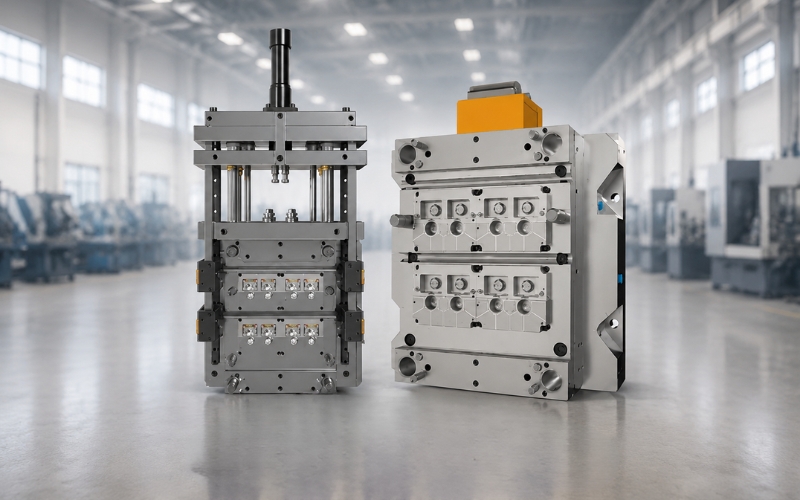
Injection mould manufacturing is one of the most important processes in modern plastic product manufacturing. From bottle caps and closures to automotive components, medical devices, electrical parts, and household products, injection moulds play a crucial role in producing high-quality plastic components with exceptional precision and consistency. As industries demand faster production, superior product quality, and cost-effective manufacturing, precision-engineered injection moulds have become an essential investment for manufacturers.
A high-quality Injection Mould is manufactured using advanced CNC machining, CAD/CAM technology, EDM machining, and premium-grade tool steel to ensure long service life and consistent performance. Well-designed moulds not only improve production efficiency but also reduce cycle time, minimise material wastage, and deliver defect-free products.
This guide explains the injection mould manufacturing process, materials used, applications, benefits, and how to choose the right injection mould manufacturer for your business.
What is Injection Mould Manufacturing?
Injection Mould Manufacturing is the process of designing and manufacturing precision moulds that are used to produce plastic components through injection moulding. During production, molten plastic is injected into a mould cavity under high pressure, where it cools and solidifies into the desired shape.
The accuracy of the mould directly affects the quality of the finished product. Every mould is carefully designed to ensure proper dimensions, smooth surface finish, accurate part geometry, and efficient production. Modern injection moulds are capable of producing thousands or even millions of identical plastic parts with minimal variation, making them ideal for mass production.
Injection mould manufacturing is widely used in industries requiring precision, durability, and high production volumes.
Materials Used in Injection Mould Manufacturing
Selecting the right mould material is essential for achieving durability, wear resistance, and long production life. The material is chosen based on production volume, plastic resin, and product complexity.
| Mould Material | Key Features & Applications |
|---|---|
| P20 Tool Steel | P20 steel is one of the most commonly used materials for injection moulds due to its excellent machinability, durability, and cost-effectiveness. It is ideal for medium to high production volumes. |
| H13 Tool Steel | H13 steel offers exceptional hardness, heat resistance, and wear resistance. It is widely used for high-volume production and moulds exposed to elevated temperatures. |
| S136 Stainless Steel | S136 stainless steel provides outstanding corrosion resistance and excellent surface finish. It is commonly used for pharmaceutical, food-grade, and cosmetic moulds where hygiene is critical. |
| NAK80 Steel | NAK80 is known for its excellent polishability and dimensional stability, making it suitable for transparent plastic products and premium packaging applications. |
| Beryllium Copper Inserts | These inserts are used in areas requiring rapid heat dissipation. They improve cooling efficiency, reduce cycle times, and increase overall production productivity. |
Injection Mould Manufacturing Process
-
Product Design & Engineering
The process begins with understanding the customer’s product requirements. Engineers create a detailed 3D model using CAD software, considering product dimensions, shrinkage, wall thickness, and functionality.
-
Mould Design
Based on the product design, engineers develop the complete mould structure, including cavity layout, core design, cooling channels, runner system, gate location, and ejection mechanism. A well-designed mould ensures efficient production and minimises defects.
-
CNC Machining
Advanced CNC machines manufacture mould components with exceptional accuracy. Precision machining ensures perfect cavity dimensions and smooth component assembly.
-
EDM Machining
Electrical Discharge Machining (EDM) is used to create intricate details, sharp corners, threads, and complex geometries that cannot be achieved through conventional machining.
-
Heat Treatment
The mould components undergo heat treatment to improve hardness, wear resistance, and durability. This significantly extends the operational life of the mould.
-
Polishing & Surface Finishing
Mirror polishing enhances the cavity surface finish, improves product appearance, and ensures smooth plastic flow during injection.
-
Assembly & Trial Run
After all components are manufactured, the mould is assembled and tested through trial production. Engineers inspect the mould for dimensional accuracy, cooling efficiency, and product quality before final delivery.
Benefits of Injection Mould Manufacturing
-
Plastic Packaging Industry
Injection moulds are widely used to manufacture bottle caps, closures, PET preforms, containers, jars, and other packaging products for food, beverages, cosmetics, and pharmaceuticals.
-
Automotive Industry
Manufacturers use injection moulds to produce dashboards, interior trims, lighting components, bumpers, clips, connectors, and various precision automotive parts.
-
Medical Industry
Medical equipment, diagnostic devices, syringes, laboratory products, and pharmaceutical packaging require precision moulds that meet strict quality and hygiene standards.
-
Electrical & Electronics Industry
Injection moulds are used to manufacture electrical housings, connectors, switches, plugs, sockets, cable accessories, and electronic enclosures.
-
Consumer Goods
Household products, kitchenware, storage containers, toys, office supplies, and personal care products are commonly produced using injection moulding technology.
Benefits of High-Quality Bottle Cap Moulds
-
High Production Efficiency
Multi-cavity moulds and optimised cooling systems allow manufacturers to produce large quantities of plastic components within shorter production cycles.
-
Superior Product Quality
Precision engineering ensures every component is manufactured with accurate dimensions, excellent surface finish, and consistent quality.
-
Reduced Manufacturing Costs
Efficient mould design minimises material wastage, reduces machine downtime, and lowers maintenance expenses, resulting in significant cost savings.
-
Longer Mould Life
Premium tool steels and advanced heat treatment provide exceptional durability, allowing moulds to withstand millions of production cycles.
-
Design Flexibility
Injection moulding enables manufacturers to produce complex geometries, intricate features, and customised plastic products with exceptional accuracy.
How to Choose the Right Injection Mould Manufacturer
- Experience in precision mould manufacturing
- Advanced CNC and EDM machining capabilities
- High-quality tool steel
- Strong design and engineering expertise
- Custom mould development services
- Quality control and testing procedures
- Timely project delivery
- Technical support and after-sales service
Selecting an experienced mould manufacturer is essential for ensuring reliable performance and long-term productivity.
A trusted manufacturer can provide mould solutions that improve production efficiency while reducing operating costs.
Why Choose Ananta Moulds India?
Ananta Moulds India is a leading manufacturer of precision injection moulds for plastic packaging and industrial applications. We combine advanced technology, skilled engineering, and strict quality control to deliver moulds that meet international standards.
Our Expertise
- Precision Injection Mould Manufacturing
- Bottle Cap Moulds
- Flip Top Cap Moulds
- PET Preform Moulds
- Closure Moulds
- Customised Plastic Mould Solutions
- Advanced CNC & EDM Machining
- Premium Tool Steel
- Timely Delivery
- Reliable Technical Support
Conclusion
Injection mould manufacturing is the foundation of modern plastic product manufacturing. A precision-engineered mould improves production efficiency, product quality, and overall manufacturing performance while reducing operational costs. By partnering with an experienced manufacturer like Ananta Moulds India, businesses can benefit from reliable, customized mould solutions that deliver consistent performance and long-term value.
FAQs
Q1. What is Injection Mould Manufacturing?
Answer: Injection mould manufacturing is the process of designing and producing moulds used to manufacture plastic components through injection moulding technology.
Q2. Which industries use Injection Moulds?
Answer: Injection moulds are widely used in packaging, automotive, pharmaceutical, medical, electronics, consumer goods, and industrial manufacturing industries.
Q3. Which materials are used for Injection Mould Manufacturing?
Answer: Common materials include P20 Steel, H13 Steel, S136 Stainless Steel, NAK80 Steel, and Beryllium Copper Inserts, selected based on durability, performance, and production requirements.
Q4. Why is precision important in Injection Mould Manufacturing?
Answer: Precision ensures accurate dimensions, improved product quality, reduced defects, faster production cycles, and longer mould life.