
Mould and Die Manufacturers: Driving Precision and Manufacturing Efficiency
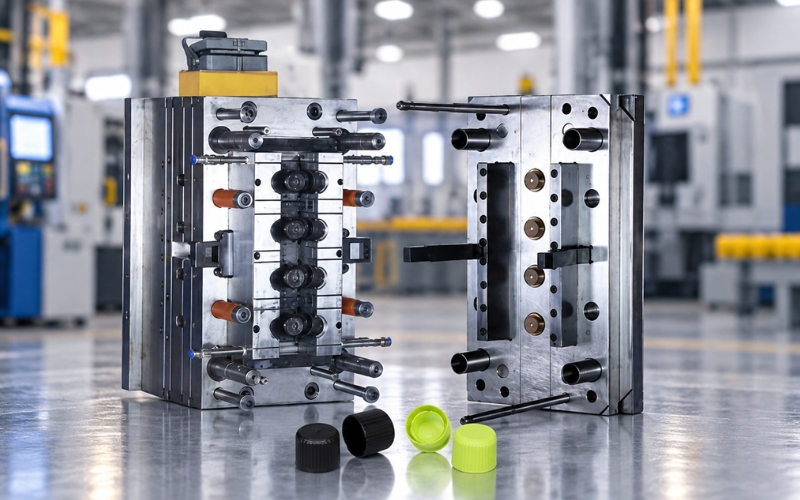
Moulds and dies are essential tools in modern manufacturing. They help shape, form, and produce components with specific dimensions, designs, and functional characteristics. From plastic packaging components to metal-formed parts, these tools support repeatable production across multiple industries.
Professional mould and die manufacturers help businesses translate product designs into practical manufacturing solutions. Their work involves engineering, material selection, precision machining, assembly, and quality inspection to meet defined production requirements.
Selecting the right manufacturing partner can help businesses improve component consistency, optimise production processes, and meet application-specific requirements.
What Do Mould and Die Manufacturers Do?
Mould and die manufacturers develop specialised tooling used to produce components in controlled manufacturing environments.
Although the terms are sometimes used together, moulds and dies serve different purposes depending on the manufacturing process.
What Is a Mould?
A mould is a tool that gives a material its required shape. In plastic injection moulding, molten plastic enters a mould cavity, cools, and forms the finished component.
Plastic moulds are widely used for manufacturing bottle caps, flip-top closures, spout caps, packaging components, and other plastic products.
What Is a Die?
A die is a specialised tool commonly used in metalworking operations such as stamping, cutting, bending, and forming. Depending on its design, a die helps produce components with specific shapes and dimensions.
Moulds and dies share a common objective: achieving repeatable component production through carefully engineered tooling.
Types of Moulds Used in Modern Manufacturing
Different products require different mould configurations. The selection depends on component geometry, production volume, material properties, and machine specifications.
1. Injection Moulds
Injection moulds are used to produce plastic components by injecting molten material into a closed mould cavity.
They are widely used in packaging, automotive components, consumer products, and industrial applications. Proper mould design supports accurate component formation and consistent production.
2. Multi-Cavity Moulds
Multi-cavity moulds contain several cavities within a single moulding system. They enable manufacturers to produce multiple components during one injection cycle.
These moulds are particularly useful for high-volume applications such as beverage caps and plastic closures. The number of cavities should be selected according to production requirements, machine capacity, and the required cycle time.
3. Flip-Top Cap Moulds
Flip-top cap moulds are designed for manufacturing closures with hinged lids. These components are commonly used in cosmetic, personal care, and other consumer packaging applications.
Precision in mould design helps maintain dimensional consistency and supports the intended opening and closing functionality of the finished cap.
4. Spout Cap Moulds
Spout cap moulds are used to manufacture specialised closures for containers that require dispensing features. Their design must account for the required geometry, dimensions, and functional requirements of the component.
5. Metal Forming Dies
Metal forming dies support operations such as stamping, blanking, and bending. They are selected according to the metal type, component design, production volume, and manufacturing process.
Important Factors in Mould and Die Manufacturing
Quality tooling depends on a combination of engineering knowledge, suitable materials, accurate machining, and careful inspection.
Precision Design and Engineering
The tooling design must match the product drawing and required tolerances. Engineers consider component geometry, material behaviour, manufacturing methods, and production conditions when developing the design.
Material Selection
Tooling materials influence durability, wear resistance, maintenance requirements, and performance. The appropriate material depends on the intended application, production volume, operating conditions, and tooling design.
Manufacturing Accuracy
Precision machining and careful assembly are important for achieving the required cavity dimensions, alignment, and surface finish.
For moulds with multiple cavities, consistent cavity geometry is particularly important for maintaining uniform component quality.
Testing and Quality Inspection
Inspection helps identify dimensional deviations and other potential issues before production begins. Depending on the application, mould trials and component measurements can help verify whether the tooling meets the required specifications.
Benefits of Working with Professional Mould and Die Manufacturers
Choosing a suitable tooling partner offers several potential advantages.
- Consistent component quality: Properly designed tooling supports repeatable production.
- Improved production efficiency: Suitable tooling can help optimise manufacturing operations.
- Application-specific solutions: Custom tooling can be developed to meet defined product requirements.
- Reduced avoidable defects: Appropriate design, machining, and inspection help minimise tooling-related issues.
- Better production planning: Understanding tooling capabilities helps businesses plan manufacturing capacity more effectively.
Actual results depend on the tooling design, material, machine setup, operating conditions, and maintenance practices.
Industries That Depend on Mould and Die Manufacturing
Moulds and dies support a broad range of manufacturing activities.
Packaging Industry
Plastic moulds are used to manufacture caps, closures, container components, and other packaging products. High-volume packaging applications often require multi-cavity moulds designed for consistent production.
Automotive Industry
Moulds and dies help produce selected plastic and metal components used in vehicle interiors, housings, and other automotive applications.
Cosmetics and Personal Care
Specialised moulds are used for caps, flip-top closures, and packaging components for hair care, skincare, and personal care products.
Consumer Goods
Manufacturers use moulds to produce plastic components for household products, storage solutions, and other consumer applications.
Industrial Manufacturing
Custom moulds and dies support the production of specialised components according to industrial design and performance requirements.
How to Choose the Right Mould and Die Manufacturer
Before selecting a manufacturing partner, consider the following points:
- Review relevant experience: Look for experience with the required tooling type and industry.
- Define technical specifications: Provide drawings, dimensions, material requirements, and tolerances.
- Discuss production targets: Explain the required output, cavity count, and expected cycle time.
- Check machine compatibility: Confirm that the proposed tooling is suitable for the intended production equipment.
- Understand quality procedures: Ask about dimensional inspection, mould trials, and quality verification.
- Evaluate ongoing support: Discuss maintenance, tooling adjustments, and technical assistance where available.
Clear communication at the beginning of a project helps reduce misunderstandings and supports a more effective tooling development process.
Why Ananta Moulds Pvt. Ltd. for Plastic Moulding Solutions?
Ananta Moulds Pvt. Ltd. provides specialised mould manufacturing solutions for plastic caps, closures, and packaging applications. Its product range includes beverage cap moulds, flip-top cap moulds, spout cap moulds, and multi-cavity mould configurations.
The company focuses on precision-oriented engineering and mould manufacturing to address the production requirements of packaging businesses.
When evaluating mould and die manufacturers, businesses should consider whether the supplier’s capabilities match their particular application. For plastic cap and closure production, factors such as cavity configuration, dimensional accuracy, mould design, and production requirements deserve particular attention.
Conclusion
Mould and die manufacturing plays a significant role in achieving consistent, repeatable, and efficient industrial production. The right tooling solution depends on product specifications, manufacturing processes, material requirements, and production targets.
Ananta Moulds Pvt. Ltd. offers specialised plastic moulding solutions for caps, closures, and packaging components. Businesses seeking a mould manufacturing partner can explore its product range and discuss their technical requirements to identify a suitable solution for their production needs.
Frequently Asked Questions
A mould shapes material within a cavity, while a die is commonly used for metalworking operations such as cutting, stamping, bending, and forming.
Industries such as packaging, automotive, cosmetics, consumer goods, and industrial manufacturing use moulds and dies for component production.
A multi-cavity mould contains multiple cavities, allowing several components to be manufactured during a single injection cycle.
Evaluate technical expertise, design accuracy, material selection, machine compatibility, quality inspection, and production requirements.
Yes. Ananta Moulds Pvt. Ltd. offers specialised moulding solutions for beverage caps, flip-top caps, spout caps, and related plastic packaging components.